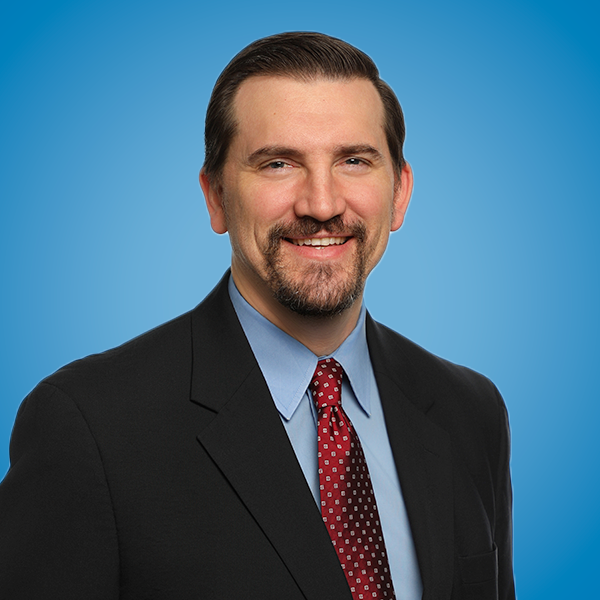
Gould & Ratner Partner David Scriven-Young authored an article for the Summer 2026 issue of the American Bar Association’s Litigation Journal examining how litigators can preserve critical testimony when a witness may be unable to testify at trial.
In “Dealing with a Critically Ill Witness,” David explores the procedural and evidentiary considerations attorneys should evaluate when a witness’s health creates the possibility of future unavailability. Using a hypothetical fraud case involving an elderly, seriously ill plaintiff, he discusses when counsel might consider taking an early deposition, even of their own client, and how the hearsay rules and other evidentiary requirements can affect whether that testimony ultimately reaches a jury.
David also outlines practical considerations for preserving testimony, including planning for unavailability early, addressing potential objections, and complying with the applicable rules governing depositions and their use at trial.
Read “Dealing with a Critically Ill Witness” in the ABA’s Litigation Journal (subscription may be required).